Breakout Retest Procedure

Price is expected to respect the level. Instead, it often slices through without hesitation. The protocols found at orb trading fifteen minute excel west detail the specific mechanics of the breakout retest procedure, focusing on the intraday volatility seen after the opening bell. A successful trade requires more than a simple breach of the opening range. It demands a mechanical verification of intent through candle closes.
The False Breakout Trap
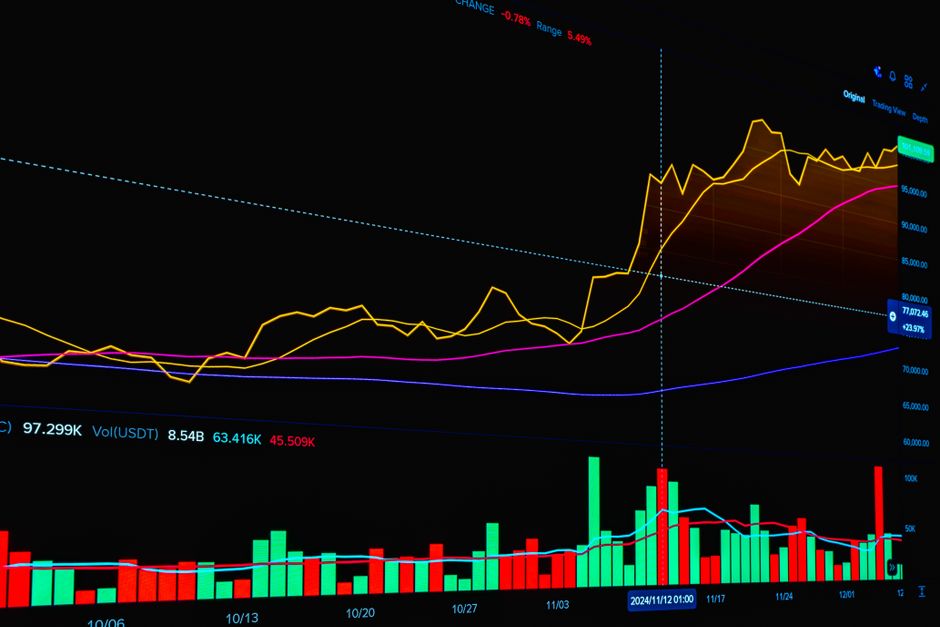
Many traders enter on the first breach of a boundary. This often results in being caught in a liquidity grab. A candle might wick past the fifteen minute range, only to snap back immediately. This movement represents a failed breakout. The work requires watching the candle body, not just the wick. A wick through a level is merely a probe. A close through a level is a signal of momentum. Without a confirmed close, the edge remains unproven. Entering early during the first fifteen minutes of the session frequently leads to stop outs as the market hunts liquidity above the session high or below the session low.
The Retest Requirement

The retest is the mechanical filter used to separate momentum from noise. Once an opening range breakout occurs, price must return to the broken level. This return is not the entry. The entry occurs only when a candle closes back on the original side of the breakout. For a bullish move, price breaks up, pulls back to the level, and then closes a candle back above that level. This sequence confirms that the level has transitioned from resistance to support. Measuring this on a 5 minute timeframe provides the necessary granularity to see the rejection clearly. A failure to see a candle body close on the correct side of the level means the breakout is still unconfirmed.
Execution Mechanics
Execution follows the candle close. If the 5 minute candle closes above the breakout line after a touch, the position is taken at the start of the next candle. This removes the guesswork regarding whether a level will hold. Using a 15 minute timeframe provides more stability but results in fewer setups. The goal is to capture the expansion phase that follows the successful retest. If price continues to move against the breakout without a retest, the setup is void. There is no chasing. A move that leaves the range without a pullback is a missed opportunity, not a reason to enter late.
Risk and Timeframes
Stop placement sits behind the candle that performed the retest. If a 5 minute candle closes back above the range, the stop is placed below the low of that specific candle or the recent swing low. This keeps the risk tight. The timeframe choice dictates the frequency. A 30 minute range provides wider boundaries and more significant levels. The mechanics remain the same regardless of the period. The only difference is the duration of the hold and the distance to the target. The process is mechanical. The candle close is the only signal that matters.