Why Fifteen Became a Default for So Many Traders
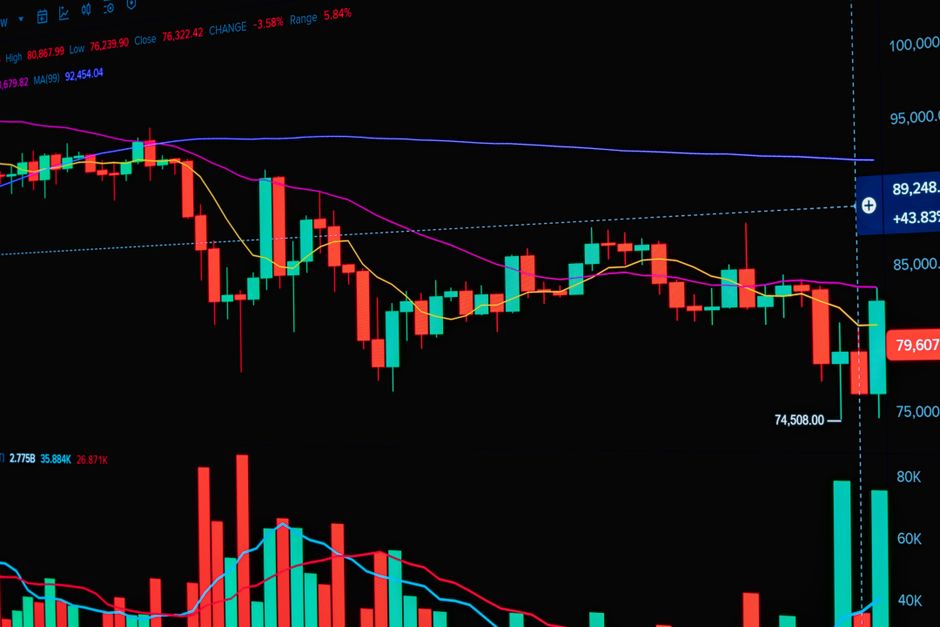
Ask around and fifteen minutes will come back more often than any other opening range length. That consistency invites an assumption that the market rewards it specifically, and the assumption deserves examination. Some of the reasons the setting spread are about how instruments behave in the first part of a session. Others are about round numbers, software defaults and the order in which people learned the idea.
The Reasons That Have Nothing to Do With Markets

Fifteen is a quarter of an hour. It divides cleanly, it is easy to say, and it produces range completion times that are simple to remember across different session opens. A period of thirteen minutes might work as well or better on some instrument, and nobody would use it, because it is awkward to describe and awkward to think in.
Charting software reinforces this heavily. Fifteen minutes appears as a standard interval on essentially every platform, so a fifteen minute range can be read directly off a single bar with no construction required. A trader who wants a fifteen minute range does nothing. A trader who wants an eighteen minute range is building something.
Then there is inheritance. The approach was described in print and taught in courses with particular numbers attached, and those numbers propagated through everyone who learned it that way. A setting can become standard because of what an influential early description happened to use, and remain standard long after anyone remembers why.
The Reasons That Do Concern Markets
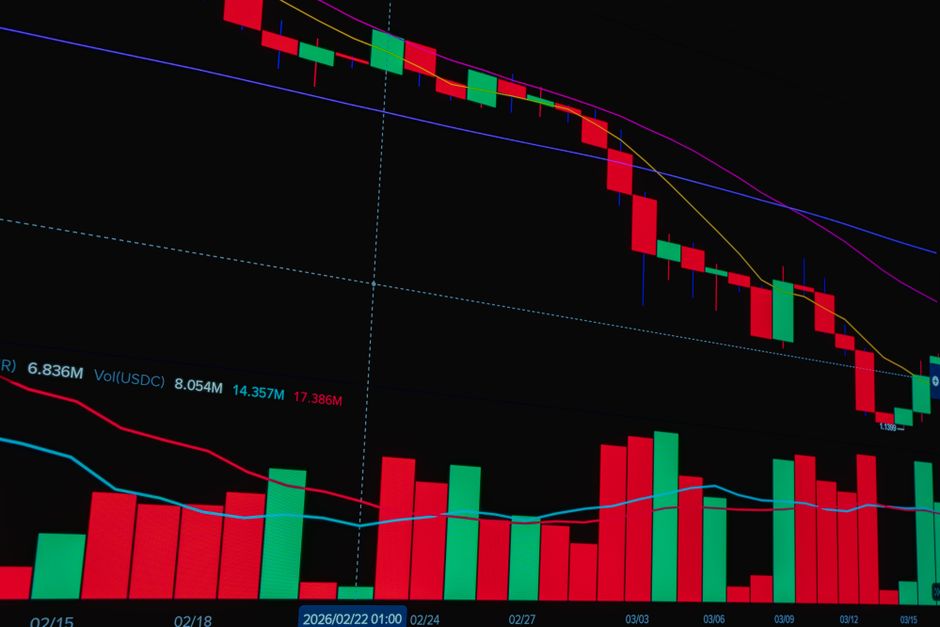
Set the accidents aside and there is still something left. The opening burst on many liquid instruments does resolve within roughly the first ten to fifteen minutes, which puts the end of a fifteen minute window somewhere near the natural end of that phase. That is not a precise boundary and it varies by instrument, but it is not a coincidence either.
The compromise itself also holds up. Fifteen minutes leaves most of the session available while removing the least reliable part of the observation. Any setting has to trade filtering against opportunity, and this one lands in a region where both are tolerable rather than either being optimal. Defaults that survive tend to be adequate everywhere rather than excellent somewhere.
Whether Being Common Helps or Hurts
A widely watched level attracts orders. If a large number of participants have drawn the same line and intend to act on a break of it, the break can produce movement that would not have occurred had nobody been watching. That is an argument that the popularity of the setting is self reinforcing in a useful way.
The counterargument is equally available. A widely watched level is a known place to find stops and resting orders, and a level that everyone can see is a level that can be probed deliberately. The single tick through that immediately reverses is more likely at a level a lot of people are trading than at one nobody has drawn.
Both effects are real and neither dominates in a way that settles the question. What can be said is that being common changes the character of the level rather than simply making it better or worse, and a rule built on a widely watched line probably needs more thought about false breaks than one built on an unusual setting.
What the Ubiquity Does Not Tell You
The one inference not available is that fifteen minutes is correct for your instrument. Popularity spread through a mixture of merit and convenience, and the convenience half carries no information about any particular market.
The test that matters is local. Look at how long the opening disorder typically lasts on the thing you actually trade, how much of the day's movement happens early, and whether the fifteen minute high and low are usually levels that were tested or extremes that were printed once. Those observations can be made without any statistics and they answer the question directly.
Starting There Anyway
None of this is an argument against using it. A default that is adequate across many instruments is a perfectly sensible place to begin, particularly since the alternative is choosing a number with no basis at all and then attributing every outcome to it.
The distinction worth holding is between starting at fifteen and stopping there. Beginning with the common setting means beginning with something that works reasonably in most places, which is a good position from which to observe. Treating it as settled because everybody uses it means never finding out whether the instrument in front of you is one of the places where it does not.