What You Give Up Against a Thirty Minute Range

Arguments about range length usually run downwards, comparing fifteen minutes against five and concluding that the extra observation is worth having. Run the same argument upwards and it becomes uncomfortable, because most of the reasons for preferring fifteen over five apply again, with the same force, to preferring thirty over fifteen. Whatever makes fifteen the right stopping point cannot be the filtering argument alone.
The Level Is Less Established

A thirty minute range has had twice as long for its edges to be visited, rejected and revisited. By the time it completes, the high and the low have usually accumulated more history than a fifteen minute range's edges have, which means a break of either represents a departure from something better established.
The fifteen minute trader is trading a level with less behind it. Sometimes that is immaterial, because the level was tested adequately within the shorter window. On sessions that spend the second quarter hour rejecting a level the first quarter hour barely touched, the difference is substantial, and it is only visible in retrospect.
News Sits Inside the Longer Window
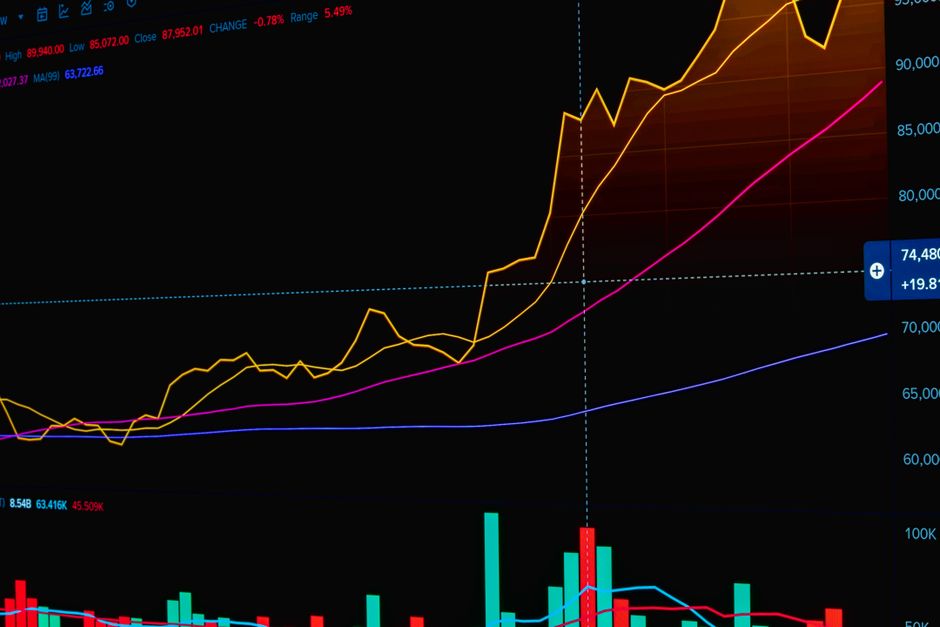
This is the clearest structural difference. Scheduled releases that land shortly after the open fall inside a thirty minute observation period and outside a fifteen minute one. The thirty minute range therefore contains the repricing, and the range that results is a description of where the market settled afterwards.
The fifteen minute range completes before the release, and then the release happens to a range that is already drawn. The result is a break that has nothing to do with the balance the range described, triggered by information that arrived after the measurement finished. The trade fires on a level that the news has made irrelevant.
This is a genuine and recurring weakness of the shorter window, and the honest response is not to pretend otherwise. It is either to know the schedule and stand down, or to accept it as a cost of the setting.
The Range Is Narrower, and That Cuts Two Ways
A fifteen minute range is generally shorter than a thirty minute one covering the same session, since the longer window has more opportunity to extend in either direction. The narrower range means a tighter stop when the stop sits at the opposite edge, which is the fifteen minute setting's most concrete advantage.
It also means the range is broken more easily and more often, including in both directions on the same day. The thirty minute range's greater height is the price of its greater reliability, and those two properties are the same property described from either side. Choosing the shorter window is choosing to accept more breaks in exchange for risking less on each.
What the Extra Fifteen Minutes Cost
Against all of that sits the reason people stop at fifteen. The thirty minute window consumes considerably more of the day. On an instrument whose meaningful movement is concentrated in the first part of the session, waiting a full half hour can mean the range completes after most of what was going to happen has already happened.
The consequence appears twice. The thirty minute range is taller, so it has absorbed more of the day's available movement, leaving less distance for the position to travel. And the entry is later, so what remains is smaller again. On a strongly directional session, the thirty minute trader gets a well established level and very little room to use it.
There is also the simple matter of frequency. A longer window produces fewer tradeable sessions, because more days will have exhausted themselves before the range is even drawn. For someone trading one instrument, that can mean too few opportunities to learn anything from.
Choosing Where to Stop
The fifteen minute range is a claim that the marginal value of the second quarter hour is lower than the marginal cost of waiting through it. That claim is defensible and it is not universal. It depends on how much of the instrument's daily movement typically occurs early, on whether the opening burst usually resolves within the first quarter hour, and on how often releases land in the window between the two settings.
Those are all checkable by observation rather than argument. What is not defensible is holding the fifteen minute setting because it filters better than five while declining to apply the same reasoning one step further. If the filtering argument is the reason, thirty wins it. Fifteen wins on the trade between filtering and opportunity, and that is the ground the choice should be defended on.