Liquidity Sweep Detection
Many traders enter orders at the breakout of a level and get caught in the fakeout. The data found at orb trading fifteen minute excel west shows how liquidity sweeps often occur during the first fifteen minutes of the session. Price moves past a clear range to grab orders before a reversal occurs. Tracking the intraday movement requires looking at the specific level being breached.
The Mechanics of the Liquidity Trap
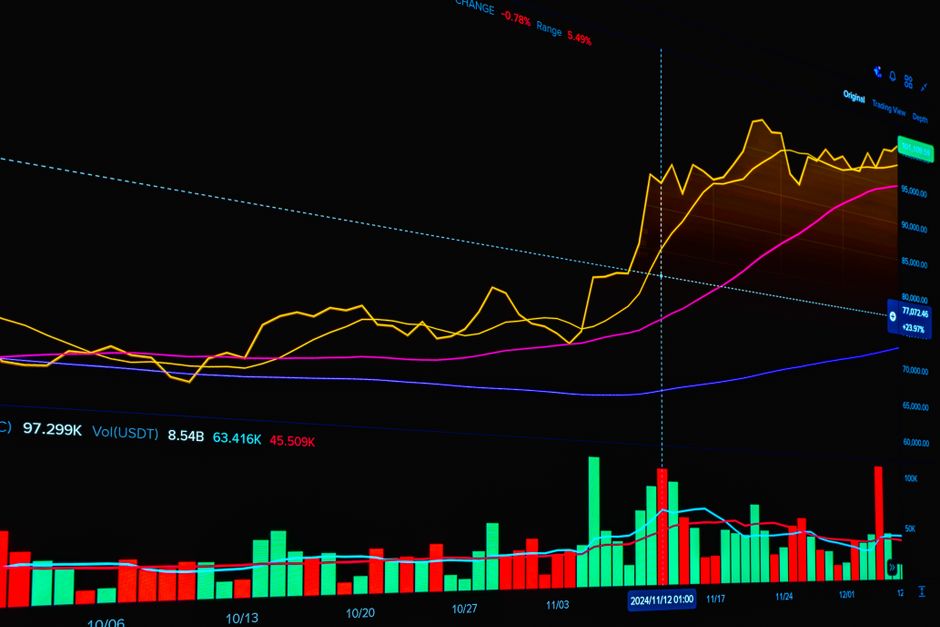
A liquidity sweep happens when price pierces a session high or a previous low to trigger stop loss orders. These orders provide the necessary volume for large players to enter the opposite direction. The movement looks like a breakout but lacks follow through. Monitoring the fifteen minute range helps identify these traps. A sweep leaves a long wick on the candle. This wick signals that the move lacked the momentum to sustain a trend. Volume typically spikes during this grab. Without that volume, the move is just noise.
Identifying the Sweep Zones
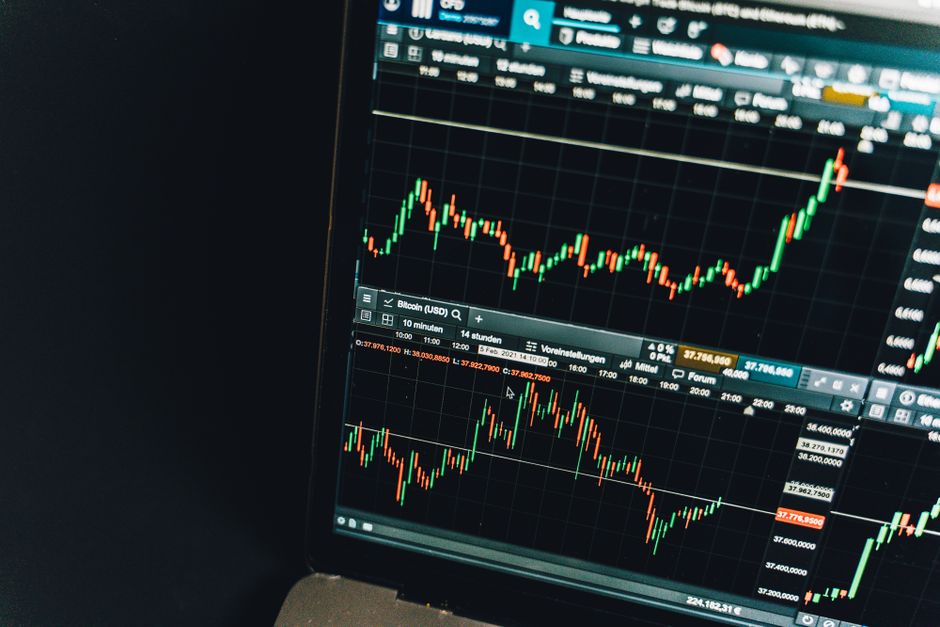
The most common zones for these sweeps are the opening range boundaries and the premarket highs or lows. Price often targets these areas because they contain a high concentration of resting orders. When the market open occurs, volatility increases. A sweep often occurs immediately after the opening bell. A trader watches for a fast move outside the opening range followed by a rapid return inside the original bounds. The failure to hold above or below the level confirms the sweep. This pattern is a mechanical process of order clearing.
Timeframe Selection and Execution
Using a 5 minute chart allows for precise entry after the sweep is confirmed. A larger timeframe like the thirty minute range provides the context for where the liquidity sits. The sweep itself is a fast event. It happens within a single candle or two. A mistake in timing leads to being caught on the wrong side of the reversal. The goal is to wait for the candle to close back within the range. This close provides the signal that the liquidity grab is complete. High conviction moves do not reverse instantly. They trend after the sweep.
Volume and Price Action Correlation
Volume must confirm the sweep. A low volume move outside a level is less likely to be a true breakout. A high volume move that immediately reverses is a classic liquidity grab. The speed of the return to the range is a metric. A slow return suggests a lack of interest. A fast return suggests aggressive selling or buying. This distinction helps differentiate a trap from a genuine trend change. The session high often serves as the primary target for these sweeps during the first hour of trade.